



-
 Copywriting Team
 -
 Appliances
 -
0 Comments
-
March 16, 2026


How to Extend the Lifespan of Your Major Appliances: A Step-by-Step Guide
Keep Your Refrigerator Running Efficiently
Your refrigerator operates continuously, making regular maintenance critical for longevity. Start by cleaning the condenser coils every six months to prevent dust buildup that forces the compressor to work harder. These coils, typically located at the back or beneath the unit, should be vacuumed gently using a coil brush attachment. Check door seals regularly by closing the door on a dollar bill. If it pulls out easily, the gasket needs replacement to prevent cool air loss and energy waste. Maintain interior temperatures between 37 and 40 degrees Fahrenheit for optimal food preservation and appliance efficiency. During Chicago’s humid summer months, moisture can accumulate around door seals, creating additional strain on cooling systems. Wipe down gaskets monthly with mild soap and water to remove residue and maintain proper sealing. Keep the refrigerator stocked but not overcrowded, as proper air circulation reduces compressor cycles and extends mechanical life. Clean the interior quarterly, removing all items and wiping surfaces with a baking soda solution to eliminate odors and bacteria. Replace water filters according to manufacturer specifications, typically every six months, to maintain water quality and prevent mineral buildup in ice makers. Position your refrigerator away from heat sources like ovens or direct sunlight, which force the cooling system to work harder in Illinois kitchens where space constraints sometimes limit placement options.
Protect Your Washer from Premature Failure
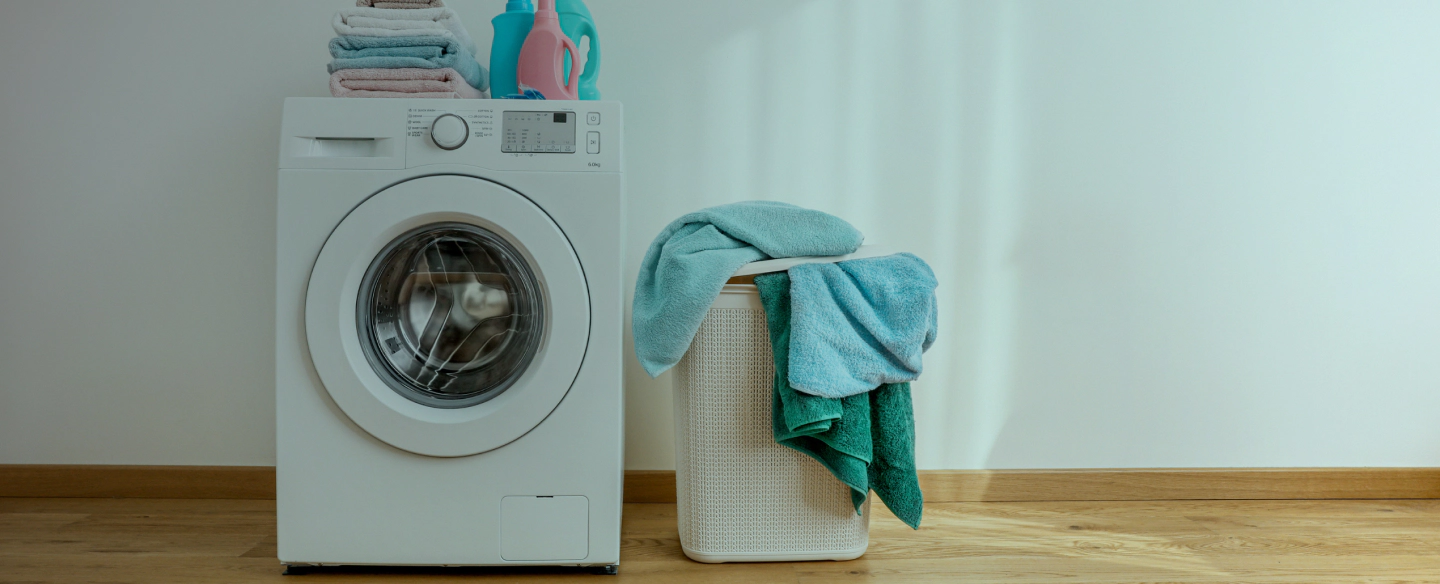
Washing machines endure significant mechanical stress with each cycle, making preventative care essential for extending service life. Always sort loads by weight and fabric type to prevent drum imbalance, which damages bearings and suspension systems over time. Use high-efficiency detergent in appropriate amounts, as excess suds leave residue that clogs pumps and drainage systems. Run a cleaning cycle monthly using washing machine cleaner or white vinegar to remove detergent buildup, mineral deposits, and mold growth. Leave the door and detergent dispenser open between loads to allow moisture evaporation and prevent mildew formation, particularly important in Chicago’s humid climate where basements and laundry rooms retain moisture. Check and clean the drain pump filter quarterly to remove lint, coins, and small objects that obstruct water flow and strain the motor. Inspect hoses every three months for cracks, bulges, or signs of wear, replacing them every five years even without visible damage to prevent catastrophic leaks. Level your washing machine using a carpenter’s level and adjust feet as needed, since an unlevel machine vibrates excessively during spin cycles, causing premature mechanical failure. Avoid overloading the drum beyond three-quarters capacity, as excessive weight stresses motors, bearings, and drive belts beyond design specifications. After completing laundry, wipe down the door seal to remove trapped water and debris that harbors bacteria and degrades rubber gaskets.
Maintain Safe and Efficient Dryer Operation
Dryers pose fire hazards when neglected, making maintenance both a safety and longevity concern. Clean the lint trap before every single load without exception, as lint accumulation restricts airflow and forces heating elements to work harder while increasing fire risk. Vacuum behind and beneath the dryer quarterly to remove lint that escapes the trap and accumulates in hidden areas. Inspect and clean the exterior vent hood every three months, removing bird nests, lint buildup, and debris that block exhaust flow. Schedule professional vent cleaning annually to remove lint from the entire ductwork length, particularly critical in multi-story homes or buildings where venting distances exceed standard lengths. Use rigid or semi-rigid metal ducting rather than flexible plastic or foil, which traps more lint and poses greater fire hazards. During Chicago winters, exterior vents can freeze shut when moisture-laden exhaust air meets subzero temperatures, creating dangerous backdraft conditions that require immediate attention. Check the dryer drum for rough spots or sharp edges that snag fabrics, and wipe the interior monthly with a damp cloth to remove fabric softener residue that builds up over time. Avoid overloading the drum, which extends drying times, wastes energy, and stresses motors and belts beyond intended capacities. Use the appropriate heat setting for fabric types, as excessive heat degrades both clothing and internal components while consuming unnecessary energy.
Optimize Dishwasher Performance and Durability
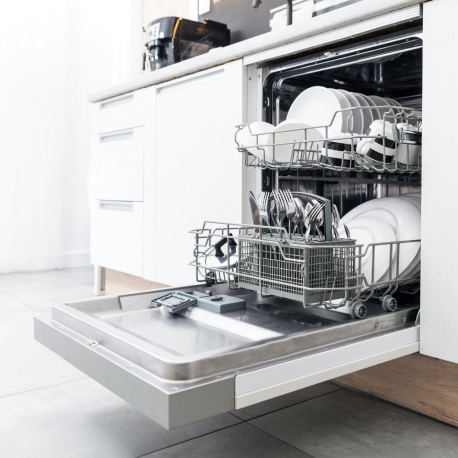
Dishwashers require regular attention to maintain cleaning performance and mechanical function. Scrape food particles from dishes before loading, but avoid pre-rinsing, which wastes water and removes enzymes that detergents need for activation. Clean the filter weekly by removing it from the bottom of the tub and rinsing under hot water to remove trapped food particles and grease that clog the drainage system. Run an empty cycle monthly with dishwasher cleaner or white vinegar to dissolve mineral deposits, soap scum, and grease buildup that accumulate on spray arms and interior surfaces. Inspect spray arms monthly by removing them and clearing any blocked holes with a toothpick, ensuring water distributes evenly across all dish surfaces. Check door gaskets for cracks, tears, or food debris that compromise the seal and allow water leakage during operation. Chicago’s hard water contains high mineral content that accelerates scale buildup in heating elements and spray nozzles, reducing efficiency and requiring more frequent descaling treatments. Load dishes according to manufacturer guidelines, avoiding overcrowding that blocks spray patterns and prevents proper cleaning. Use rinse aid to prevent water spots and help dishes dry more effectively, reducing moisture exposure that can damage electronic controls over time. Periodically inspect the drain hose for kinks or clogs that impede water evacuation and stress the pump motor unnecessarily.
When to Contact Professional Technicians
While regular maintenance prevents many issues, professional service becomes necessary when problems exceed homeowner capabilities. Strange noises, persistent error codes, or declining performance indicate internal problems requiring diagnostic equipment and technical knowledge. Appliance Pros, LLC provides thorough inspections, accurate diagnostics, and reliable repairs that address root causes rather than symptoms. With extensive experience servicing all major appliance brands throughout Chicago and surrounding Illinois communities, their technicians understand how local environmental factors affect equipment performance and longevity. They offer transparent pricing, prompt service scheduling, and quality workmanship backed by warranties that protect your investment. Schedule annual professional inspections for older appliances approaching their expected service life, as technicians can identify worn components before they fail catastrophically. Keep maintenance records documenting service dates, repairs performed, and parts replaced, which helps technicians diagnose recurring issues and assists with warranty claims. Replace appliances when repair costs exceed 50 percent of replacement value or when energy-efficient models offer substantial utility savings that offset purchase prices within reasonable timeframes. Understanding when maintenance transitions from preventative to uneconomical helps homeowners make informed decisions about repair versus replacement.
